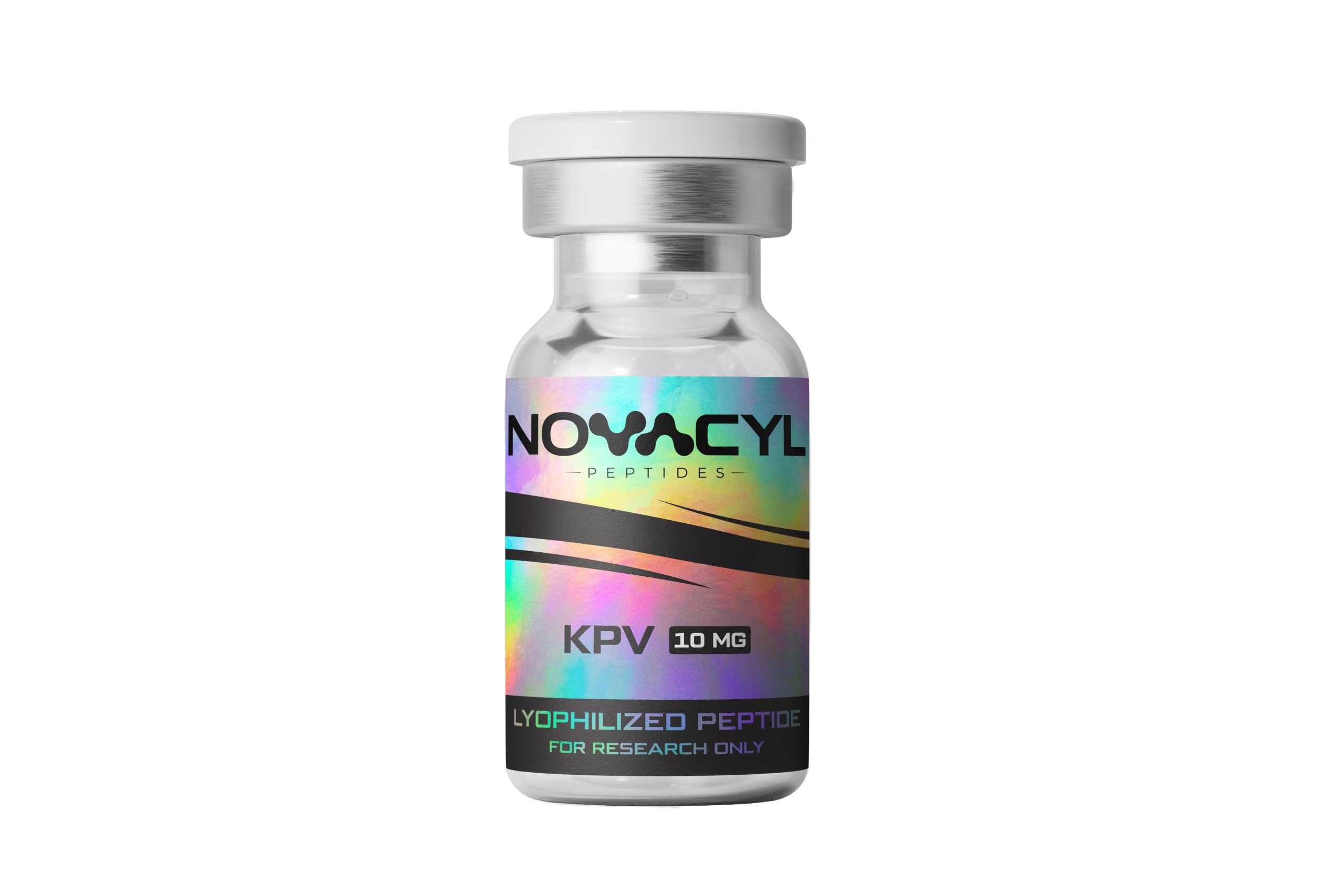
KPV is a short peptide derived from ?-MSH (alpha-melanocyte–stimulating hormone), a compound involved in regulating inflammation and immune responses in the body.
It is studied primarily for its strong anti-inflammatory, gut-protective, and skin-soothing effects, particularly in tissues affected by chronic irritation or immune-related inflammation.
Rather than acting hormonally, KPV works by modulating inflammatory signaling pathways at the cellular level.
Inflammation regulation & immune balance
KPV has been studied for its ability to:
- Reduce pro-inflammatory cytokine activity
- Calm excessive immune responses
- Promote a balanced inflammatory environment
This controlled inflammation regulation is important for:
- Faster tissue healing
- Reduced chronic irritation
- Improved cellular recovery
Gut lining protection & digestive support
KPV shows strong effects in digestive research, where it may:
- Support repair of the intestinal barrier
- Reduce gut inflammation
- Protect against immune-related gut damage
It has been studied in models related to:
- Inflammatory bowel irritation
- Leaky gut-type damage
- Digestive tract inflammation
Skin calming & barrier repair
Because of its anti-inflammatory properties, KPV is also associated with:
- Reducing skin redness and irritation
- Supporting wound healing
- Improving skin barrier recovery
This makes it of interest in research related to inflammatory skin conditions and tissue repair.
Summary
KPV is a powerful anti-inflammatory peptide studied for calming immune responses, protecting the gut lining, reducing tissue irritation, and supporting skin and digestive healing.
In short:
- Regulates inflammation
- Supports gut barrier repair
- Calms irritated skin
- Promotes balanced immune response
Research Use Only
This product is sold strictly as a research chemical for in-vitro laboratory research only. It is not a drug, supplement, or food and is not intended for human or animal consumption. Handling and reconstitution are determined by the qualified researcher; no dosing for human use is provided or implied.
Disclaimer: This content is for educational and research purposes only and is not intended as medical advice. Always conduct your own research and consult a qualified professional before use.